Virginia emergency physician and healthcare policy leader Parker honored by ACEP

Ask just about anyone who has served on the Virginia College of Emergency Physicians' Board of Directors about Todd Parker, MD, FACEP, and you'll hear a familiar story: He's the person other emergency physicians turn to for advice, a mentor to rising colleagues, and a leader who knows how to turn a policy problem into legislative action.
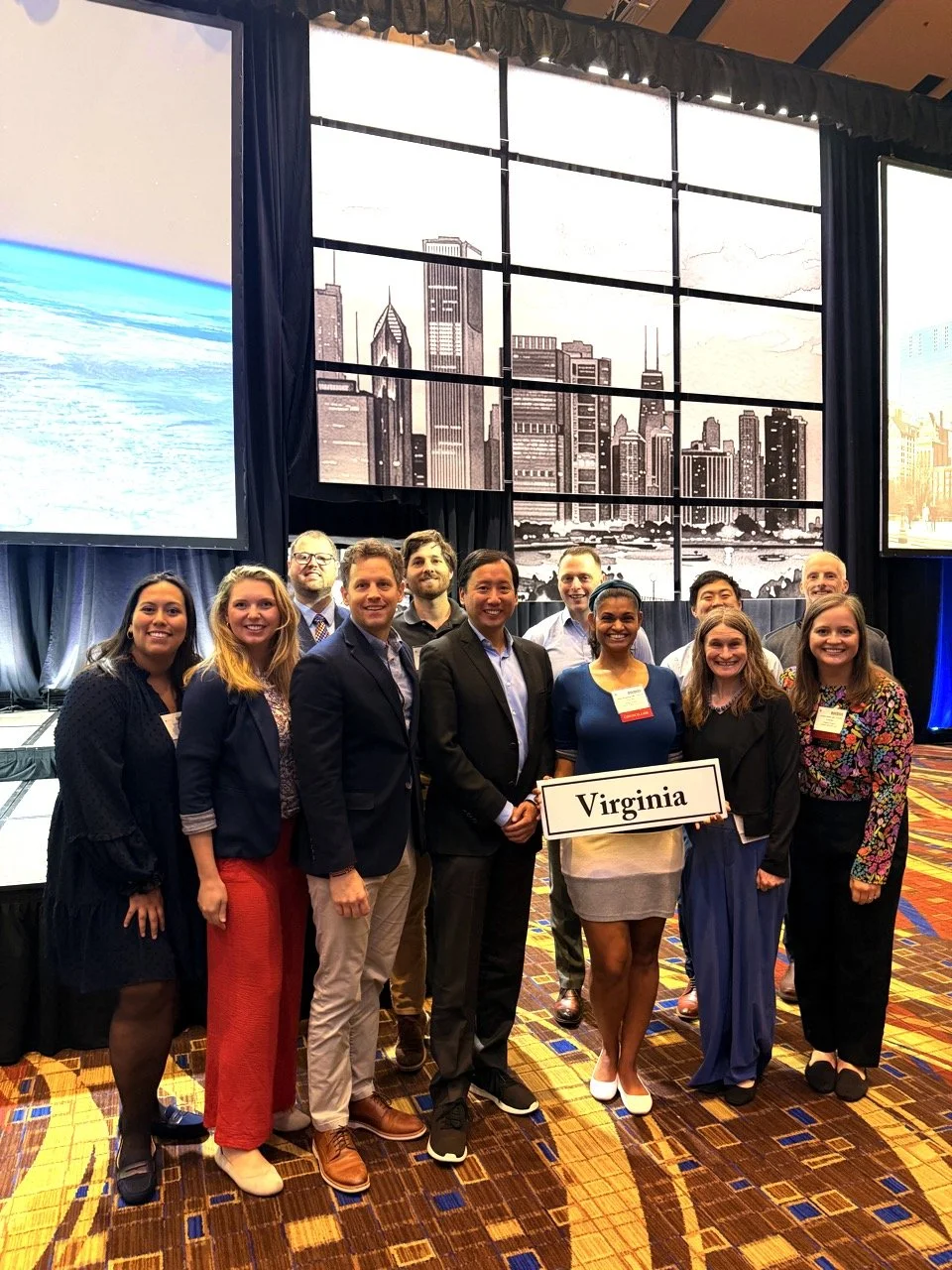
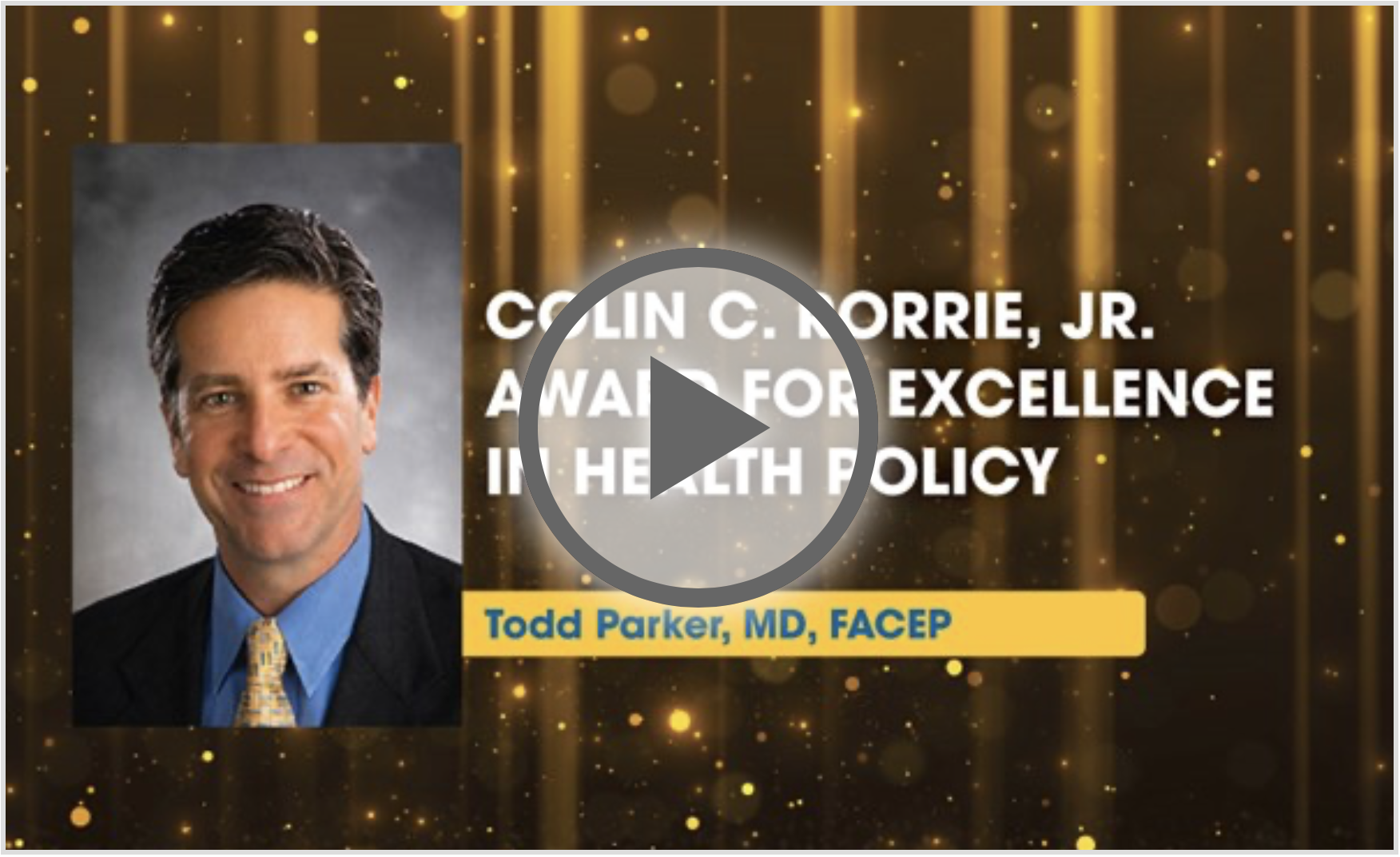
This month, Parker, a former VACEP president and longtime chair of its legislative committee, received the American College of Emergency Physicians' 2026 Colin C. Rorrie, Jr., Ph.D. Award for Excellence in Health Policy at ACEP's Scientific Assembly in Chicago.
The recognition follows years of work on some of Virginia emergency medicine's most consequential policy issues, from surprise billing and Medicaid reimbursement to workplace violence and physician staffing.

VACEP President, 2022–2024
Parker's path to emergency medicine began in the cockpit. He served as a U.S. Navy F-14 pilot during a nine-year naval aviation career before attending Eastern Virginia Medical School. He later served as a Navy medical officer and completed his emergency medicine residency at Naval Medical Center Portsmouth.
Parker served as VACEP president from 2022 to 2024 and is now associate vice president and executive medical director of Riverside Health's Integrated Care Command Center.
Watch: ACEP recognizes Todd Parker
ACEP’s award video. Watch on YouTube
Four victories that changed Virginia emergency medicine
In their nomination letter to ACEP, VACEP leaders highlighted Parker's role in four major legislative and legal victories.
2019: Protecting patients from surprise bills. Parker helped shape Virginia's out-of-network billing arbitration framework, protecting patients from unexpected charges while establishing an independent process for resolving reimbursement disputes between physicians and insurers. This has been one of the most visible changes for patients, who no longer receive surprise out-of-network bills.
2023: Ending Medicaid downcoding. Parker helped lead a yearslong challenge to Virginia's policy of automatically reducing reimbursement for certain emergency visits based on patients' final diagnoses, rather than the symptoms that brought them to the ED.
At VACEP's 2022 annual conference, Parker called the policy out directly: "It's stunning. It's ridiculous. It violates the Prudent Layperson Standard." A federal court ruling in 2023 halted the practice, ending a policy that had affected emergency physicians and hospitals statewide.
2023: Making emergency departments safer. Parker helped advance legislation requiring around-the-clock trained security personnel in Virginia emergency departments, including personnel capable of assisting with patient restraint. While he initially described the proposal as a "moonshot," it passed both chambers of the General Assembly unanimously.
2024: Putting a physician in every emergency department. Parker led VACEP's effort to require a physician physically present and responsible for care in every Virginia ED, 24 hours a day. The legislation replaced a decades-old standard requiring only an on-call physician. Virginia became the second state to adopt such a requirement, which took effect in July 2025.
Building an advocacy organization, not just passing bills
Parker's nomination letter also highlighted his work strengthening VACEP itself.
As president and legislative chair, he built relationships with lawmakers and state agencies, strengthened the chapter's advocacy infrastructure and helped reinvigorate its STAT advocacy fund.
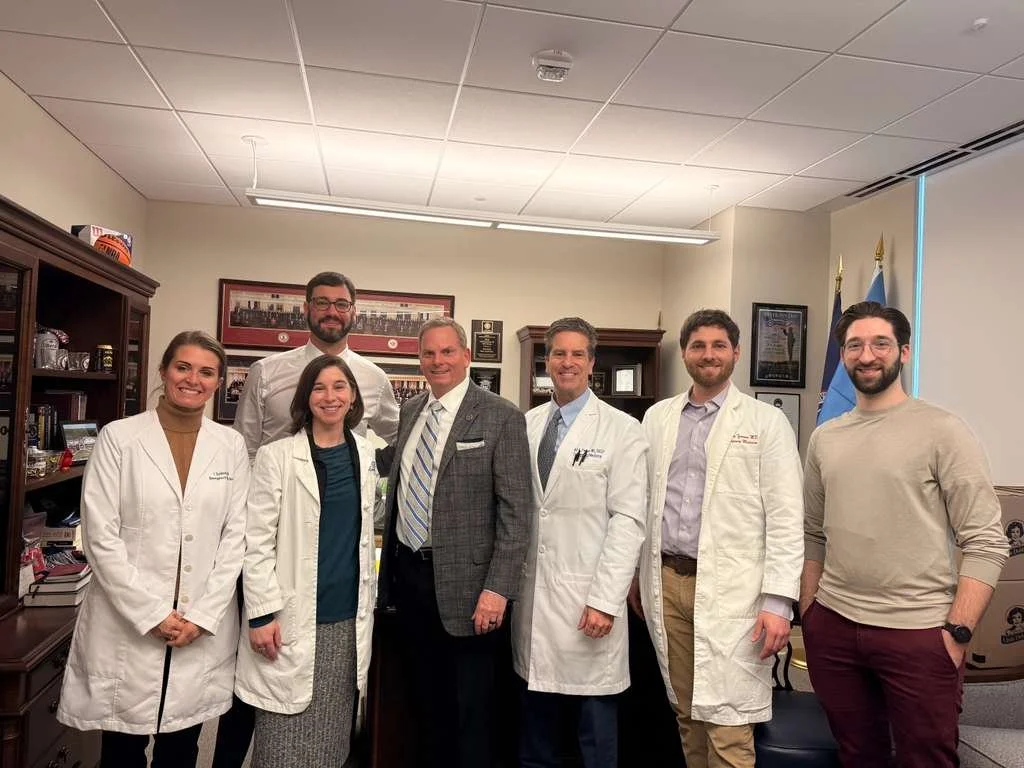
He also mentors emerging physician leaders, encouraging their participation in VACEP's Emergency Medicine Advocacy Day in Richmond and ACEP's Leadership and Advocacy Conference in Washington, D.C.
His national service includes ACEP's Emergency Department Accreditation Board of Governors, the National Emergency Medicine Political Action Committee (NEMPAC) Board of Directors and ACEP's Federal Government Affairs Committee.
The seven VACEP leaders who nominated Parker emphasized both his legislative accomplishments and his influence on the physicians who will carry that work forward.
As they wrote in their letter: "His work reflects the highest ideals of physician advocacy: principled, patient-centered, and impactful."