
Advocacy Day brings 25 ER docs to Richmond to support patient safety, physician rights
Emergency physicians urge fixes to patient safety gaps
Nothing can stop an ER doctor.
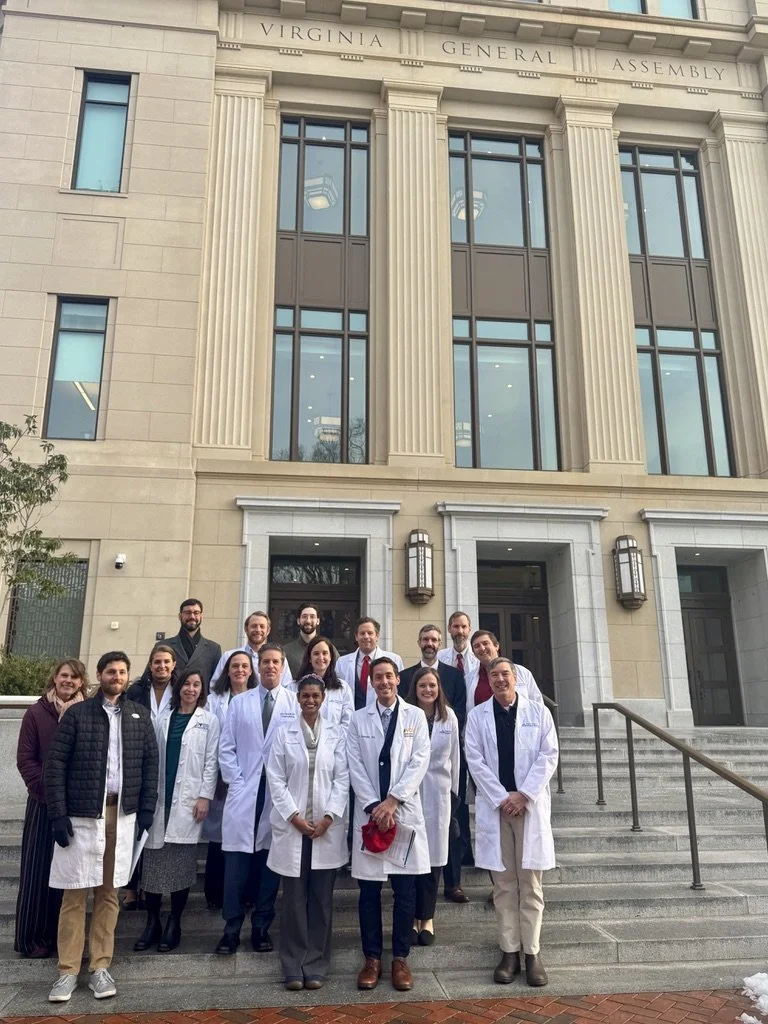
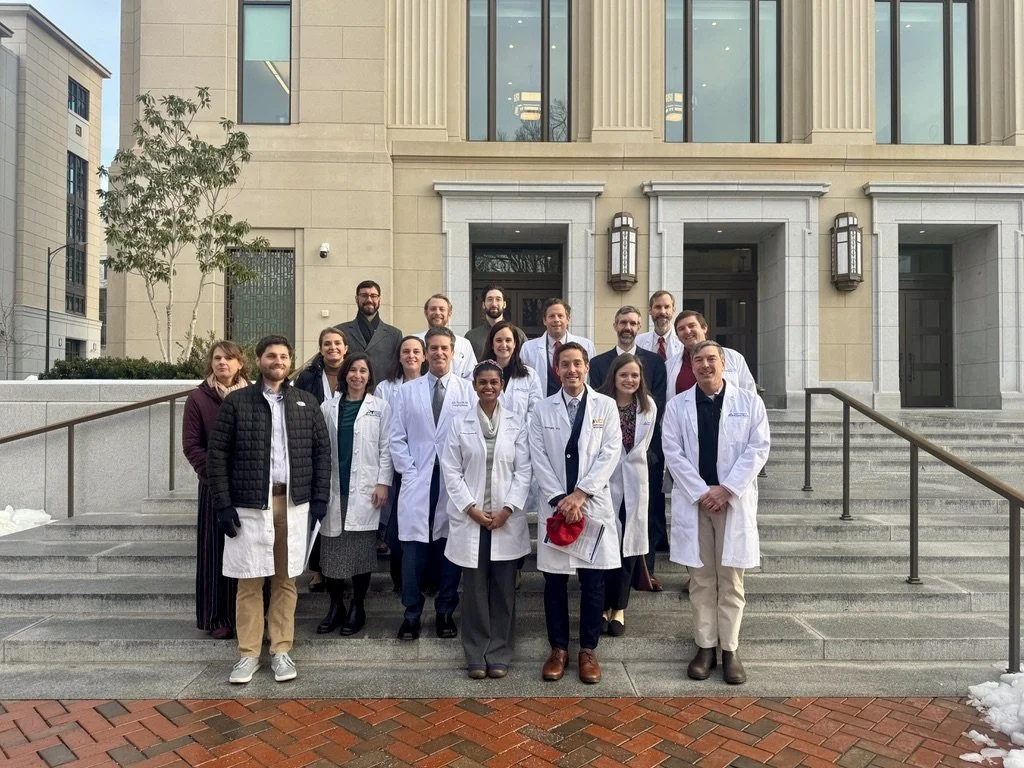
Virginia emergency physicians on the steps of the General Assembly Building at EM Advocacy Day on January 28 in Richmond.
Despite below freezing temperatures, ice-encrusted sidewalks, and questionably plowed city streets, Virginia’s ER doctors turned out for our annual EM Advocacy Day to address critical gaps in patient safety, physician workforce challenges, and regulatory structures that directly affect care in emergency departments statewide.
VACEP’s annual event, held each January, brings frontline emergency physicians face-to-face with legislators to discuss real-world impacts of proposed legislation during the General Assembly session. “Education was especially important this year as Virginia has many new lawmakers who needed to hear from us and learn about the issues important to emergency physicians,” said Jesse Spangler, MD, FACEP, VACEP’s president.
VACEP’s government affairs team is tracking more than 130 pieces of legislation that impact healthcare. Here is a look at the priority legislation.
Keep patients who lack consent safely in the ER when they have a critical medical need | HB309 (Hope)
Among the top priorities this year is House Bill 309, aimed at closing a legal gray area that can leave hospitals powerless to stop medically incapacitated patients from leaving the emergency department before life-threatening conditions are ruled out.
Under current Virginia law, physicians must obtain a court- or magistrate-issued medical Temporary Detention Order (TDO) to treat patients who cannot consent to care due to conditions such as intoxication, delirium, or hypoxia. However, the law does not clearly define who has custody of a patient during the critical window between arrival in the ER and issuance of that order.
Emergency physicians say that gap has had tragic consequences.
In one example shared during advocacy briefings, a physician described an intoxicated patient who was brought to the hospital by police. After police left, the patient left the emergency department and soon after was struck and killed by a vehicle on the highway outside the hospital.
“As soon as the police left, he said, ‘I’m out of here,’” the physician recalled. “We tried to stop him.”
HB 309 would clarify that while a medical TDO is being sought, a patient who lacks capacity remains in the custody of the hospital, allowing security staff to prevent the patient from leaving for a limited period. The bill does not expand detention authority, extend the duration of a TDO, or create new standards for involuntary treatment, and preserves existing liability protections for clinicians acting in good faith. Lawmakers were receptive to the bill.
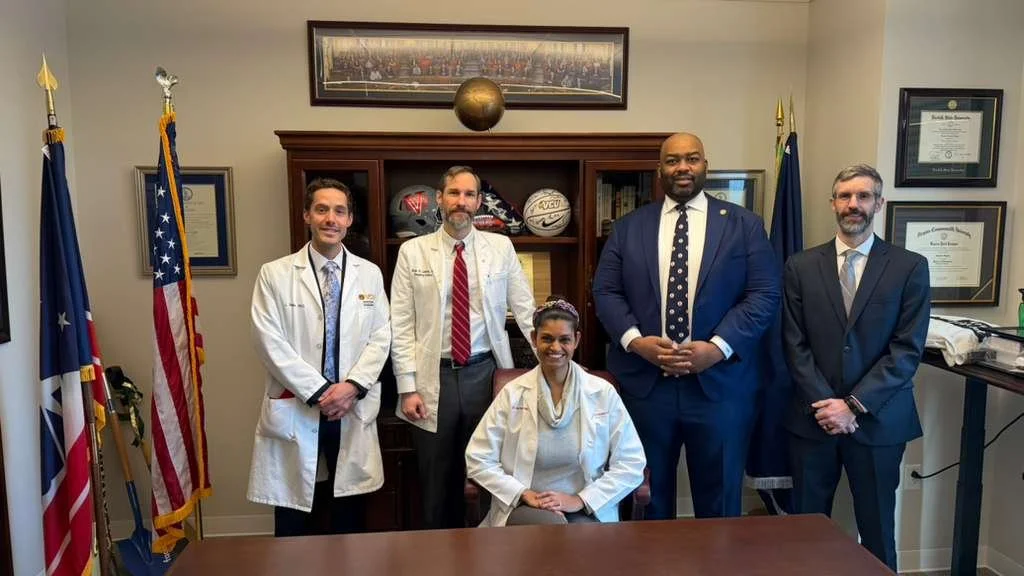

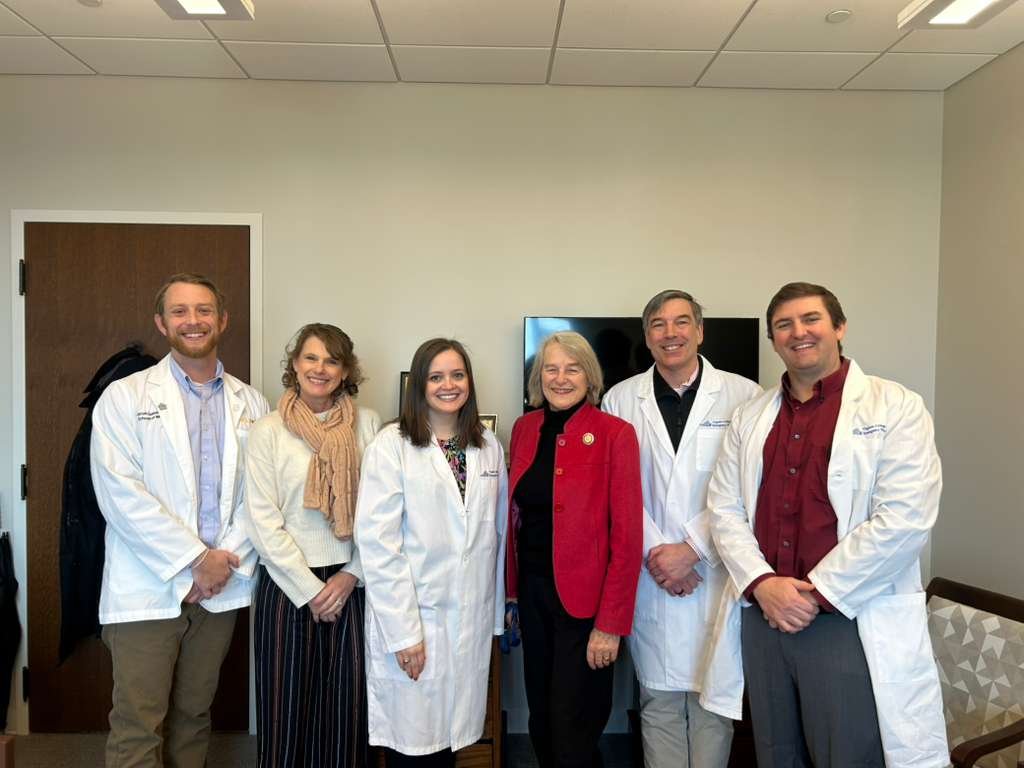
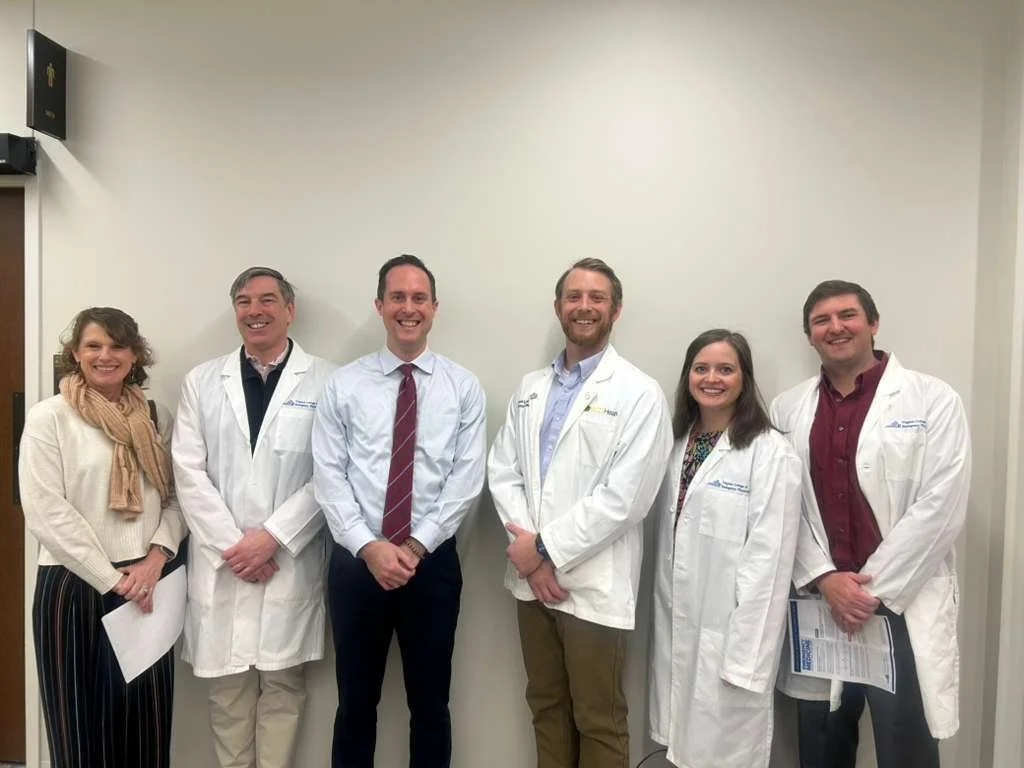
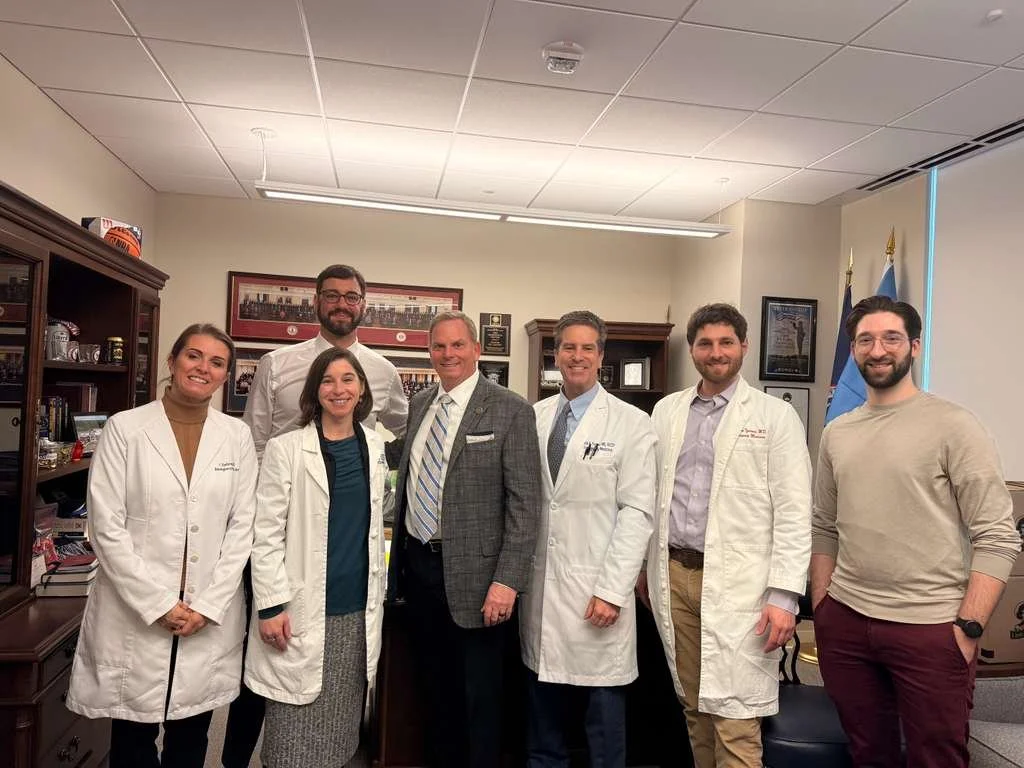
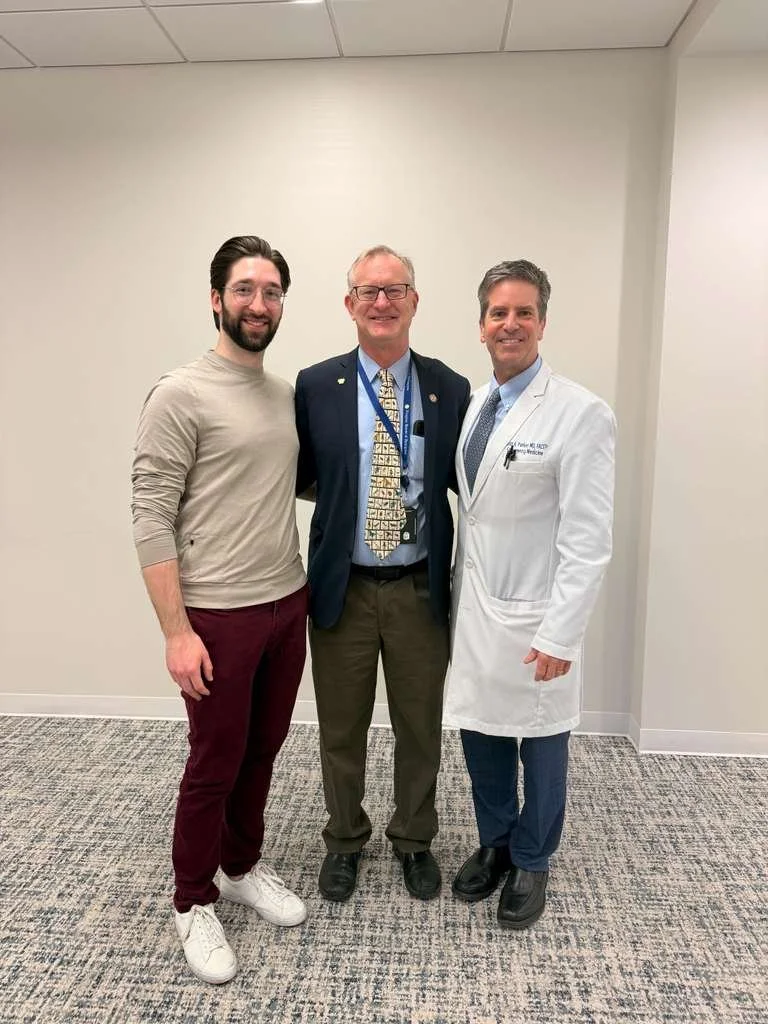
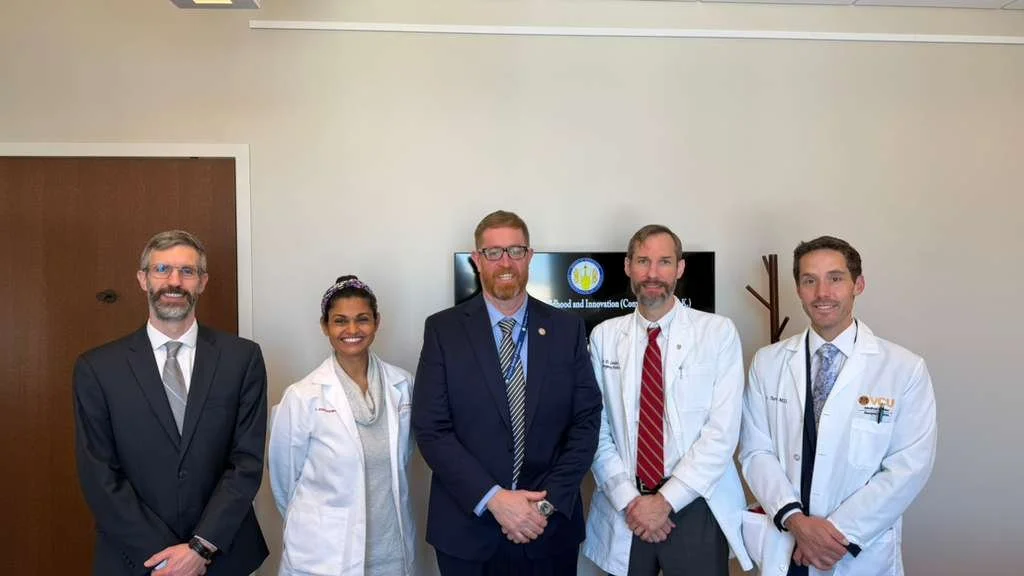
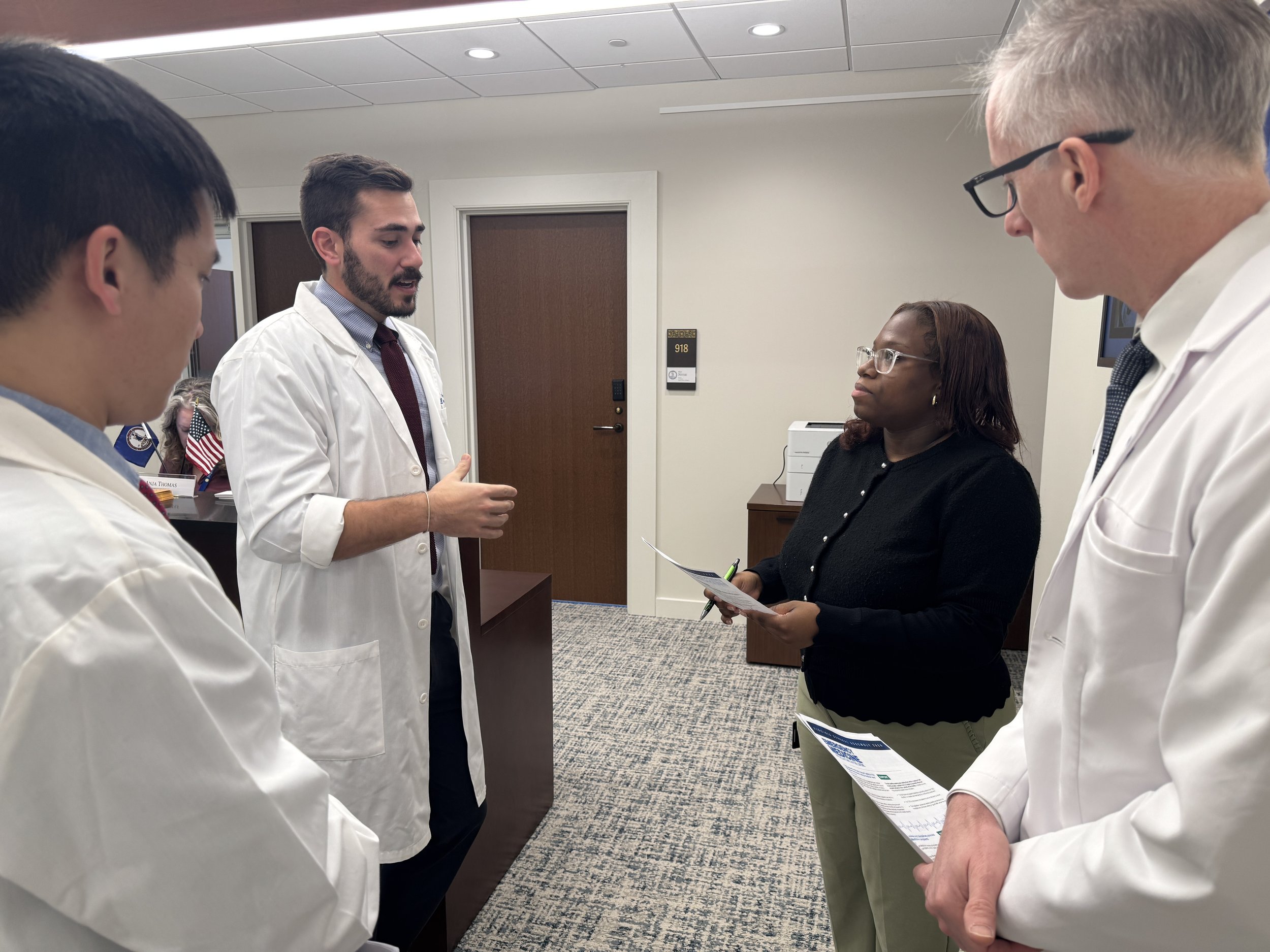
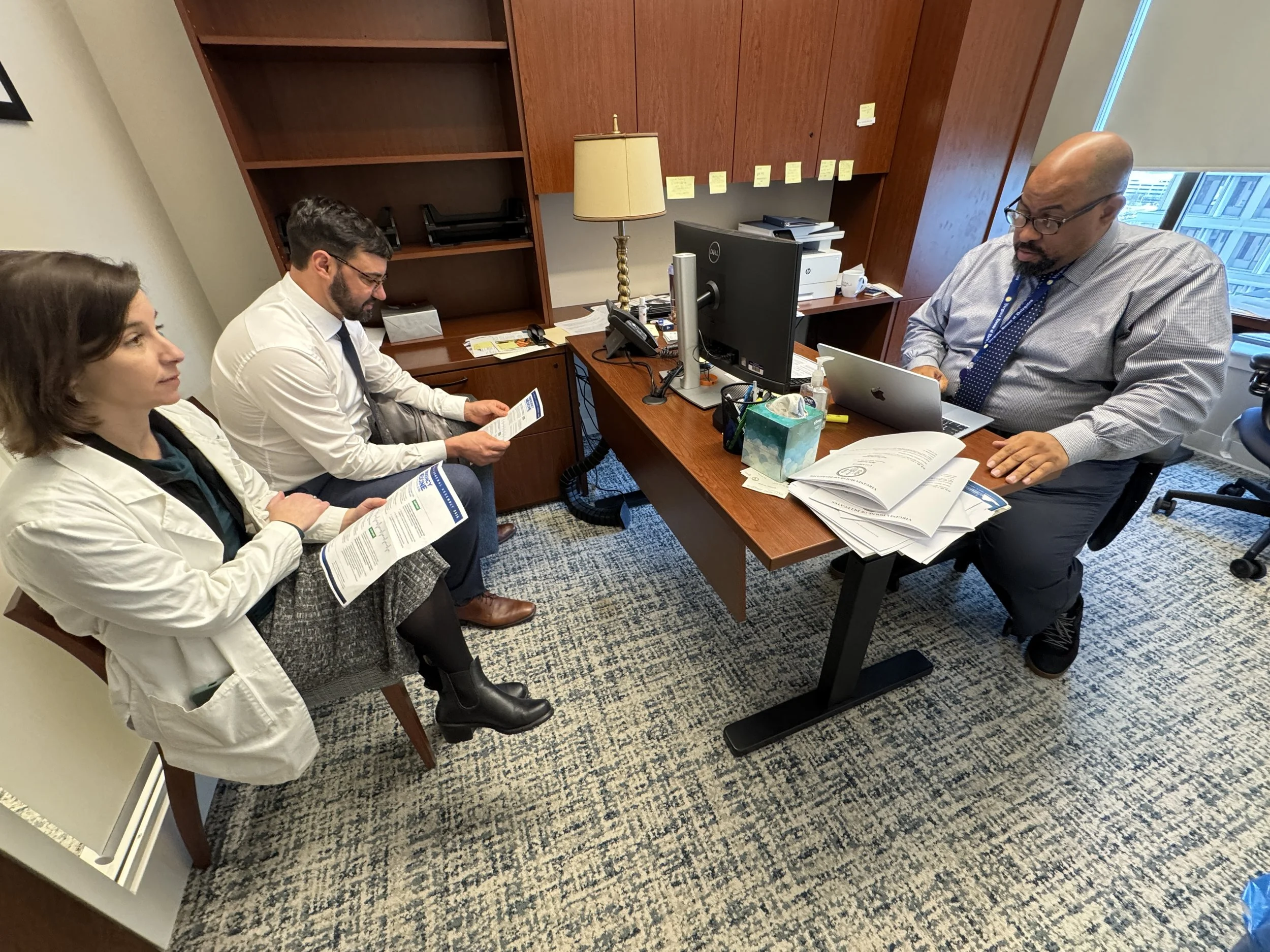
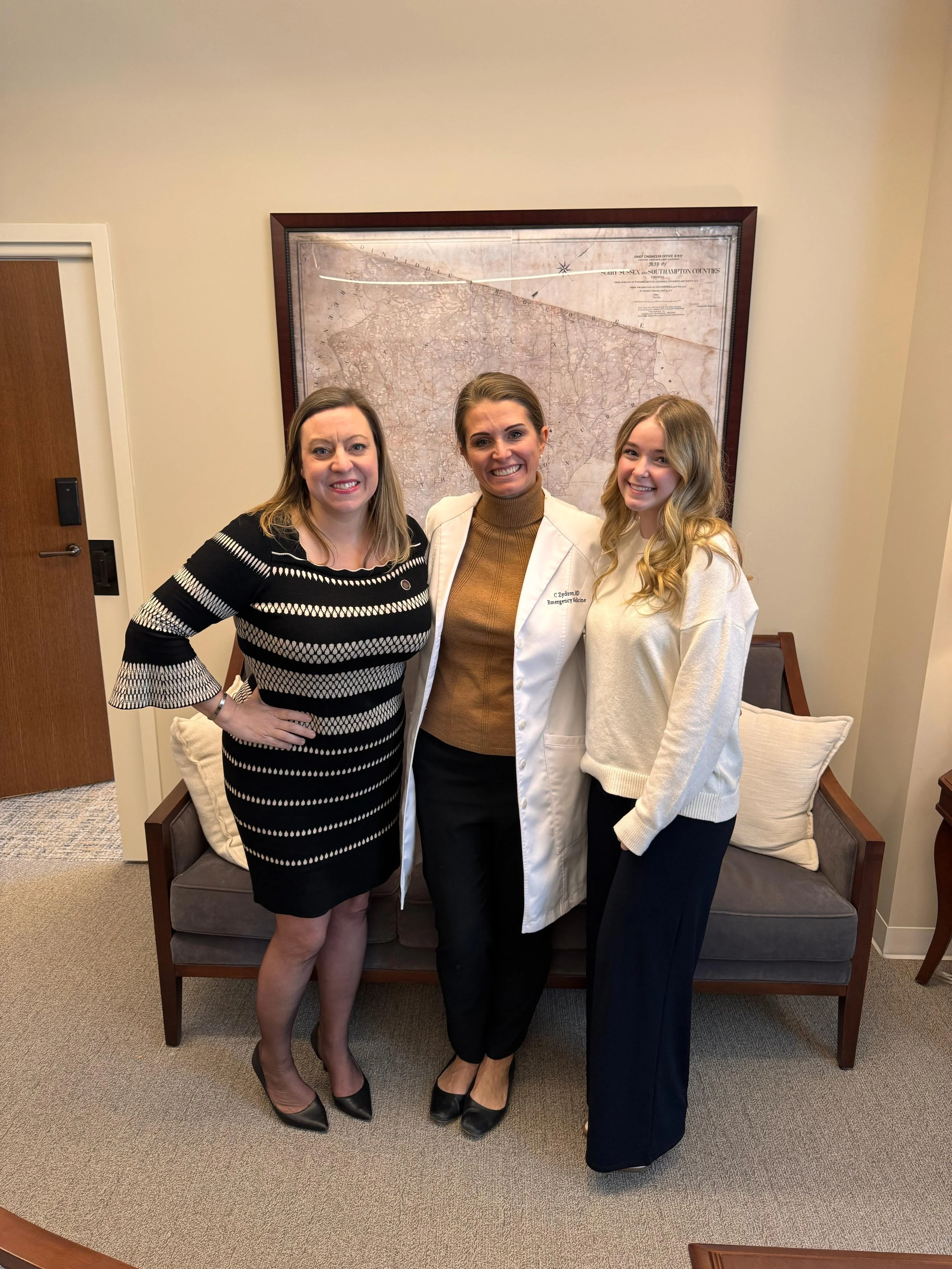
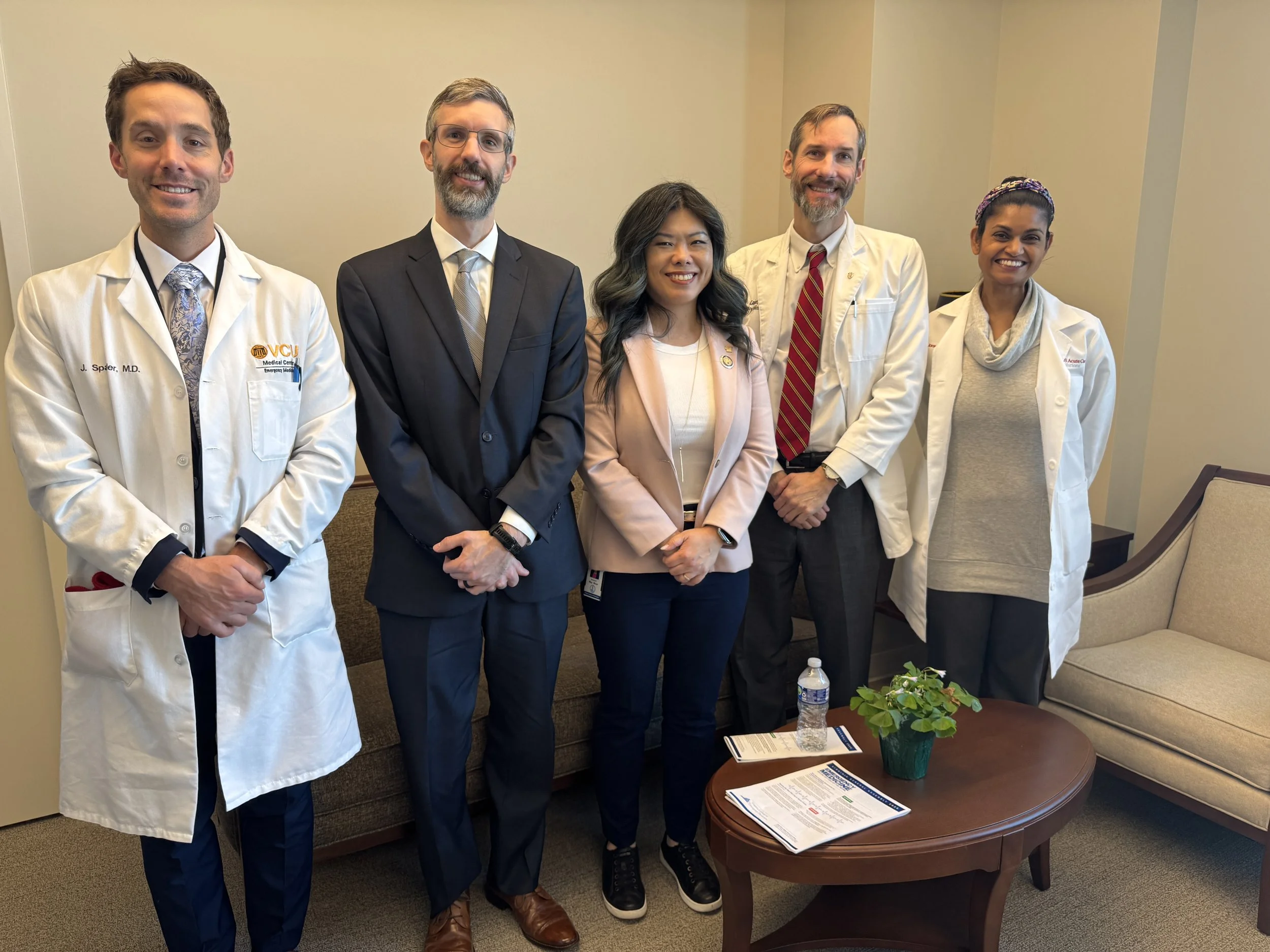
Virginia emergency physicians met with a number of Virginia lawmakers and their aides at EM Advocacy Day, January 28, 2026.
Improve the review and disciplinary process for Board of Medicine complaints | HB 1139 (Downey)
Emergency physicians are also supporting House Bill 1139, which would modernize the makeup of Virginia’s Board of Medicine. Currently, the board is the only health regulatory board in the Commonwealth required by statute to appoint physician members based on congressional districts rather than clinical expertise.
VACEP members say that structure can limit specialty representation on a board that primarily handles disciplinary complaints and standard-of-care reviews.
The proposed change would remove the geographic requirement and allow appointments based on medical licensure, improving access to specialty expertise without altering the board’s authority or mission.
Banning non-competes for HEALTHCARE WORKERS | HB627 (HELMER) & SB128 (VANVALKENBURG)
Emergency physicians are also supporting legislation to ban non-compete agreements for healthcare providers. The argument: non-compete clauses worsen Virginia’s existing physician shortage by forcing clinicians to leave communities entirely when employment relationships end, disrupting access to care and continuity for patients.
Virginia already faces a shortage of nearly 4,000 physicians, and emergency physicians say limiting where clinicians can practice only exacerbates delays in specialty coverage and transfers — problems felt acutely in emergency departments.
REJECTING MEDMAL PROPOSAL…AGAIN | SB99 (STANLEY)
VACEP members also urged lawmakers to reject Senate Bill 99, which would eliminate Virginia’s medical malpractice cap for patients age 10 and younger.
Physicians warn that removing the cap could significantly increase malpractice premiums, accelerate provider burnout and drive specialists like OB-GYNs and pediatric providers out of already underserved regions of the state.
Simply removing the cap will also increase the amount of lawsuits and make the malpractice environment in Virginia worse.
Emergency physicians say their message to lawmakers is simple: these bills are not abstract policy debates, but practical solutions rooted in everyday patient care.
“Emergency physicians are there 24/7, often seeing patients at their most vulnerable,” VACEP’s Spangler said. “Advocacy Day is about making sure the laws of the Commonwealth reflect the realities of emergency medicine — and keep patients safe.”

The Presidents: Jesse Spangler, MD, FACEP (right) will hand the reins of VACEP president to Joran Sequeira, MD, FACEP at the VACEP Annual Conference in February.
